Your Cart

The number one cause of brown spots is inconsistent watering.
If the brown spots look irregular, spread quickly, or have yellow halos, your Anthurium may be dealing with a fungal disease (like Colletotrichum) or a bacterial infection (like Xanthomonas).
Anthuriums thrive in bright, indirect light. Too much direct sun can scorch delicate leaves, leaving brown patches that resemble burns.
If your plant sits near a south- or west-facing window, pull it back a few feet or filter the light with a sheer curtain. Low light usually won’t cause brown spots directly, but it can weaken the plant, making it more vulnerable to infections.
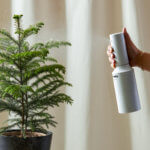
These tropical plants love humidity levels between 60–80%. When the air is too dry, brown edges and spotting are common.
To fix this:
Spider mites, thrips, or scale insects can damage leaves and leave behind small brown marks. Check the undersides of leaves and along stems for pests or sticky residue.
If you spot them, treat early with insecticidal soap, neem oil, or by wiping leaves with a damp cloth.
Brown spots can also indicate your Anthurium isn’t getting enough nutrients, especially calcium or magnesium. Feed with a balanced, water-soluble fertilizer every 4–6 weeks during the growing season to keep leaves healthy and strong.
Don’t worry too much about a few brown tips or small spots on older leaves — this is a normal part of the plant’s life cycle. As long as new growth looks healthy and vibrant, your Anthurium is doing just fine.
We're confident your Anthurium will be back to normal in no-time, but if you've followed the steps above and things just aren't improving you can contact the Grow-How® Team.