Your Cart

Watering issues are the number-one cause of curling leaves.
Consistency is key — aim for soil that’s lightly moist but never too wet or too dry.
Anthuriums are tropical plants that love humidity. If the air is too dry, leaves may curl, crisp at the edges, or look wilted. Indoor air, especially during winter heating, is often far drier than these plants prefer.
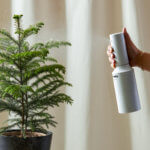
Boost humidity by:
Too much or too little light can also change the shape of Anthurium leaves.
For best results, keep your Anthurium in bright, indirect light near an east- or north-facing window.
Anthuriums prefer steady warmth. Chilly drafts, sudden temperature swings, or exposure to air conditioners and heaters can stress the plant, leading to curling leaves. Try to keep the plant in a stable spot between 65–80°F (18–27°C) and away from vents or drafty windows.
In some cases, curling leaves point to a pest problem. Tiny insects like aphids, spider mites, and mealybugs feed on leaf tissue and distort growth.
Check the undersides of leaves and along stems for small bugs or sticky residue. If you find pests, isolate the plant and treat with neem oil, insecticidal soap, or a gentle wipe-down to prevent further damage.
A lack of nutrients, especially during the growing season, can cause leaves to curl or form abnormally. Feeding your Anthurium with a balanced liquid fertilizer every 4–6 weeks in spring and summer helps support strong, even growth.
Avoid over-fertilizing, though — too much can burn the roots and worsen leaf curling.
Not all curling is a bad sign! New Anthurium leaves often emerge curled or twisted before they unfurl and harden. If your plant is otherwise healthy and producing fresh growth, a little curling on young leaves is perfectly natural.
We're confident your Anthurium will be back to normal in no-time, but if you've followed the steps above and things just aren't improving you can contact the Grow-How® Team.