Your Cart

Light is one of the biggest factors in how quickly your Dracaena grows. These plants do best in bright, indirect sunlight. If yours is tucked away in a dim room or far from a window, it may not be getting enough energy to fuel new growth.
Move your plant closer to a bright window, or supplement with a grow light if natural light is limited. Just avoid harsh, direct rays, which can scorch the leaves. Striking the balance — plenty of indirect light without direct sunburn — keeps your Dracaena strong and steadily growing.
Even with the right light, poor soil or cramped roots can hold your Dracaena back. This plant prefers well-draining soil that stays lightly moist but never soggy. If the soil feels dense or compacted, it may be time to refresh with a quality houseplant mix.
Check the roots, too. If you see them circling the pot or poking out of drainage holes, your Dracaena may be root-bound. Repotting into a container one size larger gives it room to spread out and put energy into new leaves.
Watering is another common culprit. Both too much and too little can stress your Dracaena and slow its growth. Aim for soil that’s consistently damp but not waterlogged. Let the top inch dry out before watering again, and always empty saucers so roots aren’t sitting in standing water.
Frequent swings between bone-dry and oversaturated soil can shock the plant, so consistency is key.
Like any plant, Dracaenas need the right nutrients to grow. If it’s been a while since you last fertilized, slow growth may be a sign your plant is hungry. During the spring and summer growing season, feed with a balanced liquid fertilizer every 4–6 weeks.
Be careful not to overdo it — too much fertilizer can burn the roots and backfire, slowing growth even more.
Dracaenas are tropical at heart, which means they thrive in 65–80°F (18–27°C) with moderate to high humidity. Drafts, blasts from heating or AC vents, or very dry air can all slow growth.
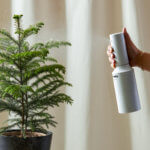
If your home runs dry, especially in winter, try misting the leaves, placing the pot on a pebble tray with water, or running a humidifier nearby to create a more comfortable environment.
Sometimes slow growth isn’t about conditions at all — it’s about stress. Pests like spider mites, scale, and mealybugs sap energy from your Dracaena, leaving little left for new growth.
Inspect the undersides of leaves and stems regularly for insects or sticky residue. If you spot an infestation, treat it promptly with insecticidal soap or neem oil to get your plant back on track.
It’s worth remembering that Dracaenas are naturally slow growers. Even in ideal conditions, new leaves may appear gradually, especially during the fall and winter months when most houseplants slow down. If your plant looks healthy otherwise — with green leaves and firm stems — slow growth may just be its natural pace.
We're confident your Dracaena will be back to normal in no-time, but if you've followed the steps above and things just aren't improving you can contact the Grow-How® Team.