Your Cart

Improper watering is the number one cause of drooping Dracaena leaves. Both overwatering and underwatering can make your plant look tired.
Tip:Keep your watering consistent. Big swings between very dry and very wet soil stress the plant and lead to drooping.
Dracaenas grow best in bright, indirect light. If your plant is tucked into a dark corner, weak stems and drooping leaves are common.
Move it closer to a sunny window with filtered light. Just be careful with direct sunlight — harsh rays can scorch the leaves, which may also cause them to droop.
Since Dracaenas are tropical plants, low humidity can cause drooping or curling leaves. This is especially common in winter when indoor air is dry.
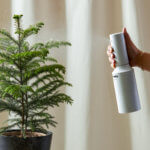
Boost humidity by:
Healthy humidity levels keep leaves firm and vibrant.
Dracaenas dislike sudden changes. Cold drafts, blasts from an AC, or sitting too close to a heater can all stress the plant and cause drooping.
Keep temperatures steady in the 65–80°F (18–27°C) range and avoid drafty spots.
A weakened Dracaena is more likely to attract pests such as spider mites, mealybugs, or scale. These tiny insects sap nutrients from the leaves and stems, which can result in drooping or discoloration.
Inspect the undersides of leaves for webbing, sticky residue, or small bugs. Catching infestations early makes treatment much easier.
If your Dracaena isn’t getting enough nutrients, its stems may weaken, leading to drooping. During the growing season (spring and summer), feed your plant with a diluted liquid fertilizer or slow-release plant food to encourage strong, upright growth.
Don’t panic if only a few lower leaves droop and eventually fall off — this is simply part of your Dracaena’s natural growth cycle. As long as new leaves at the top look healthy and upright, your plant is doing just fine.
We're confident your Dracaena will be back to normal in no-time, but if you've followed the steps above and things just aren't improving you can contact the Grow-How® Team.